

What Goods Can Be Shipped to Canada? Key Things to Know About Ocean Freight to Canada

6 days ago
Many Canadian customers often ask me: roughly how much does ocean freight from China to Canada cost? How does the whole shipping process work? How long does door-to-door delivery with customs clearance included take? And what shipping precautions should be noted? Kitty from Dijie Logistics is here to explain it all~
Guangzhou Dijie International Freight focuses on the China → Canada ocean freight door-to-door dedicated line with customs clearance included. With more than ten years of deep experience in the ocean freight industry, we have mature and stable shipping expertise, and LCL consolidation is our particular strength. Our one-stop ocean freight service helps Chinese Canadian customers save worry, time, and money!
We can ship from Guangzhou and Shenzhen by sea or air directly to major Canadian cities: Vancouver, Vancouver Island, Toronto, Montreal, Calgary, Edmonton, Winnipeg, Regina, Saskatoon, Victoria, Nanaimo, Ottawa, Quebec, Halifax, and more.
I. What goods can be shipped by sea to Canada?
Immigration and moving personal items, Taobao consolidation parcels, greenhouse frames, renovation building materials, all kinds of furniture (solid wood/rosewood furniture, sofas, dining tables and chairs, mattresses, cabinets, office furniture), home appliances, electric vehicles, bicycles, scooters, large machinery and equipment, auto parts, fitness equipment, fish tanks, ceramics and fragile items, doors, windows and railings, curtains, clothing and textiles, daily necessities, toys, pet supplies, maternal and baby products, hotel equipment, milk tea shop/kitchen equipment, LED lighting, hardware, shelving, solar equipment, audio equipment, massage equipment, bar tables and chairs, school desks and chairs, wardrobes, industrial fans, tiles and stone, PVC flooring, molds, playground facilities, surfboards, outdoor gazebos and fences, etc. We can handle general cargo, oversized cargo, and sensitive goods by sea.
II. What shipping options are available from China to Canada?
✅ Full container load (FCL)
20GP small containers and 40HQ high-cube containers are suitable for customers with large volumes and high-value cargo. A 20-foot container can basically fit a whole household of moving furniture, with stable transit times and high security.
We can arrange a trailer to pick up goods from your factory and load the container, or suppliers can deliver goods to our Guangzhou warehouse for consolidation. Shipments can depart from domestic ports such as Guangzhou, Shenzhen, Shanghai, Ningbo, Qingdao, and Tianjin, and we can separately handle Canadian local customs clearance + final delivery.
✅ LCL consolidation by sea
Suitable for customers with smaller volumes, with high cost-effectiveness! We receive goods in Guangzhou, Shenzhen, and Foshan, and consolidate shipments to Vancouver, Toronto, Montreal, Calgary, Edmonton, and other cities with door-to-door service and customs clearance included.
-
DDU: Door-to-door service. Goods are delivered to our warehouse, and we handle customs declaration, ocean freight, destination port customs clearance, and delivery. The recipient pays customs duties and taxes locally in Canada.
-
DDP: Tax-inclusive door-to-door with customs clearance included. All taxes and fees are covered. Customers only need to deliver the goods to the warehouse and wait at home to receive them.
📌 Container reference
20-foot standard container: internal dimensions 5.89m×2.35m×2.39m, weight limit about 18 tons, capacity 26–28CBM
40-foot high-cube container: internal dimensions 12m×2.35m×2.69m, weight limit about 22 tons, capacity 68CBM
III. Ocean freight operation process
-
Goods warehousing: For goods purchased online or offline, send them directly by domestic courier to our Guangzhou warehouse.
-
Checking and tallying: After all goods arrive at the warehouse, check the parcels against the list and count the pieces.
-
Container loading and departure: Arrange container loading and customs declaration according to the shipping schedule, and arrange ocean departure.
-
Destination port customs clearance: After arrival at port, our Canadian agent assists with the full set of customs clearance documents and handles customs clearance on your behalf.
-
Delivery appointment: After release, the container is trucked back to the warehouse for devanning. We contact the recipient in advance to schedule a time and deliver to the door.
-
Signing and checking: When receiving the goods, count the pieces and check for damage. If there are any issues, contact us immediately so we can coordinate and resolve them.
⏱ Transit time reference (calculated from Guangzhou warehouse)
Sailing from Guangzhou/Shenzhen to Vancouver port takes about 15–20 days, customs clearance takes about 7 days, and container devanning and pickup takes 1–3 days. Overall, local delivery in Vancouver takes about 30 days to reach your hands.
Calgary and Edmonton are transferred inland from Vancouver, adding about one more week.
Toronto and Montreal are transferred by rail from Vancouver, with transit times ranging from 1–3 weeks (excluding inspection).
IV. Dedicated LCL consolidation services
-
Covering most cities in Canada, with delivery available in Vancouver, Toronto, Montreal, Calgary, and Edmonton.
-
Our own warehouse in Guangzhou with 24-hour supervision ensures cargo safety, and 90 days of free storage makes it convenient to consolidate goods gradually.
-
One-stop all-inclusive service. You only need to provide a packing list; we handle customs declaration, ocean freight, Canadian customs clearance, and delivery throughout the entire process.
-
Vancouver can be reached 15–20 days after departure (excluding customs inspection).
-
Warehousing tracking inquiry is supported, so you can check parcel warehousing records and quantities at any time.
-
LCL is charged by cubic meter, with a minimum shipment of 1CBM; excess volume is settled according to actual volume.
-
Final delivery is by truck, and a detailed address is required to calculate the delivery fee.
For quotes or shipping schedule inquiries, feel free to contact Kitty anytime!
WhatsApp / WeChat: +86 13268203767
QQ: 3097481358
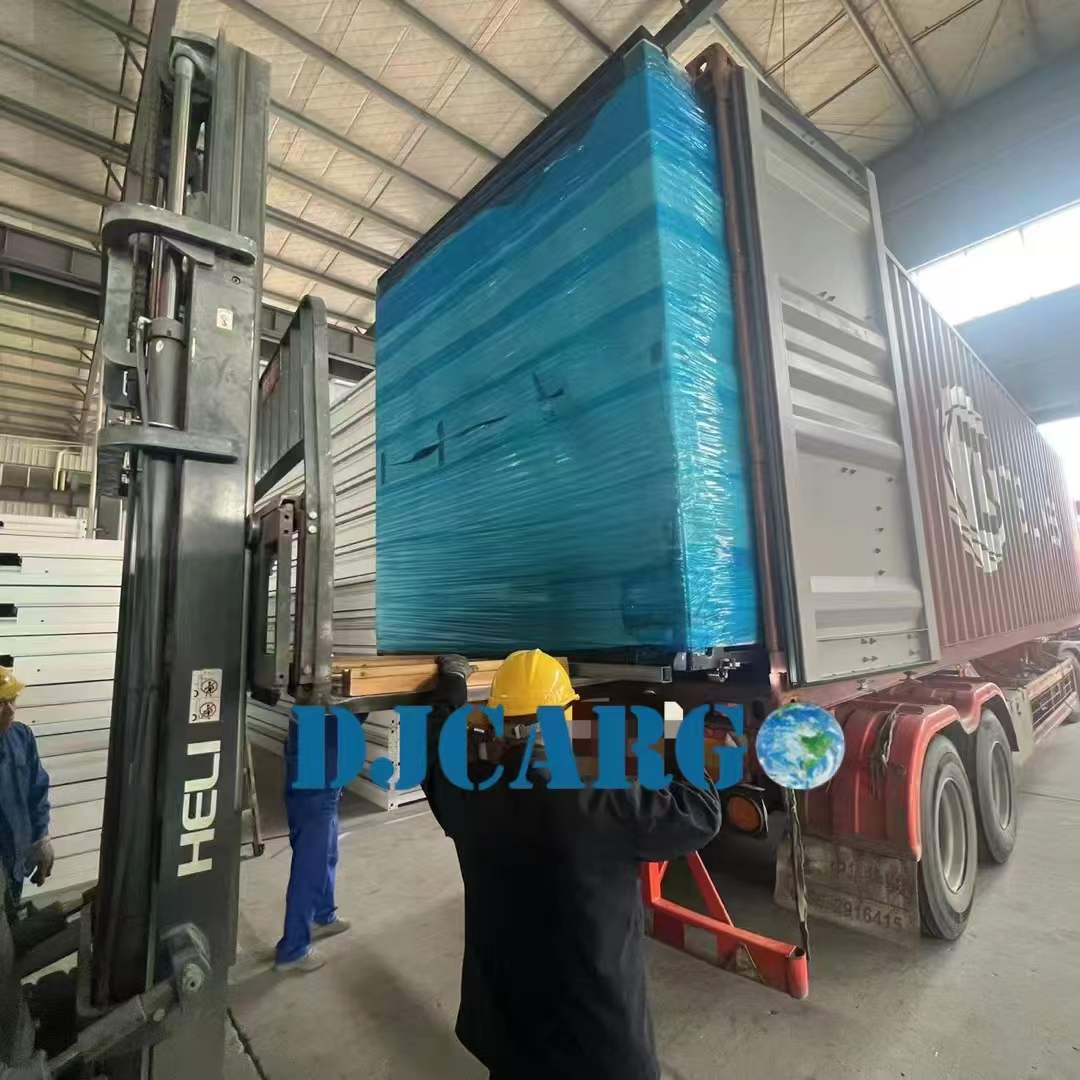








I'd take the timeline with a grain of salt. Ocean shipping is heavily affected by weather and port congestion, and then you've got customs clearance and inland transport on top of that. For Vancouver, 30 days to your door is a best-case scenario; for Toronto, a 1-to-3-week swing from the rail transfer is completely normal. If you're waiting on furniture to move in or equipment to open a store, it's best to work backward from the slowest estimate when planning your stock, rather than cutting your schedule too close.