International Students 'Stay' Away: Universities Fear Worsening Attrition - Sing Tao Daily

The number of newly enrolled international students at U.S. universities fell 15% this fall compared with last year, and the Trump administration has repeatedly proposed measures to raise the cost for international students to work after graduation and tighten residency rules.
Universities worry that overseas recruitment is already weakening, and that if the new policies are implemented, more students will give up on studying in the U.S., further hurting schools' finances and talent development.
The New York Times reported on the 21st that the latest survey by the Institute of International Education (IIE), covering 809 higher-education institutions, showed that new international student enrollment fell 15% this fall, and the total number of international students at the surveyed institutions also dropped 9%.
Schools are facing a new round of policy uncertainty and fear that next year's enrollment will also continue to suffer.
In October, the Department of Homeland Security proposed imposing hefty fees on universities, requiring schools to pay $70,000 for each international student participating in Optional Practical Training (OPT) for the first time; and if graduates in science, technology, engineering and mathematics (STEM) fields apply to extend their work eligibility, schools would have to pay an additional $30,000.
OPT allows eligible international students to work in jobs related to their field of study during or after their studies, and is an important factor for many in choosing a U.S. university.
Universities say that if they bear the costs, the financial pressure would be enormous; if the costs are passed on to students, the appeal of studying in the U.S. could decline further.
Dennis Galvan, vice provost for international affairs at the University of Oregon, said the school's international student population has already fallen by about 14% compared with 2024.
He believes OPT is one of the main factors attracting international students, but the school fears it cannot afford the new fees, and recruitment could worsen as a result.
Arizona State University also warned that the new fees could severely hit international recruitment.
Because international students usually pay full tuition, a decline in their numbers would weaken schools' financial base, affecting teaching and academic programs and potentially even local students.
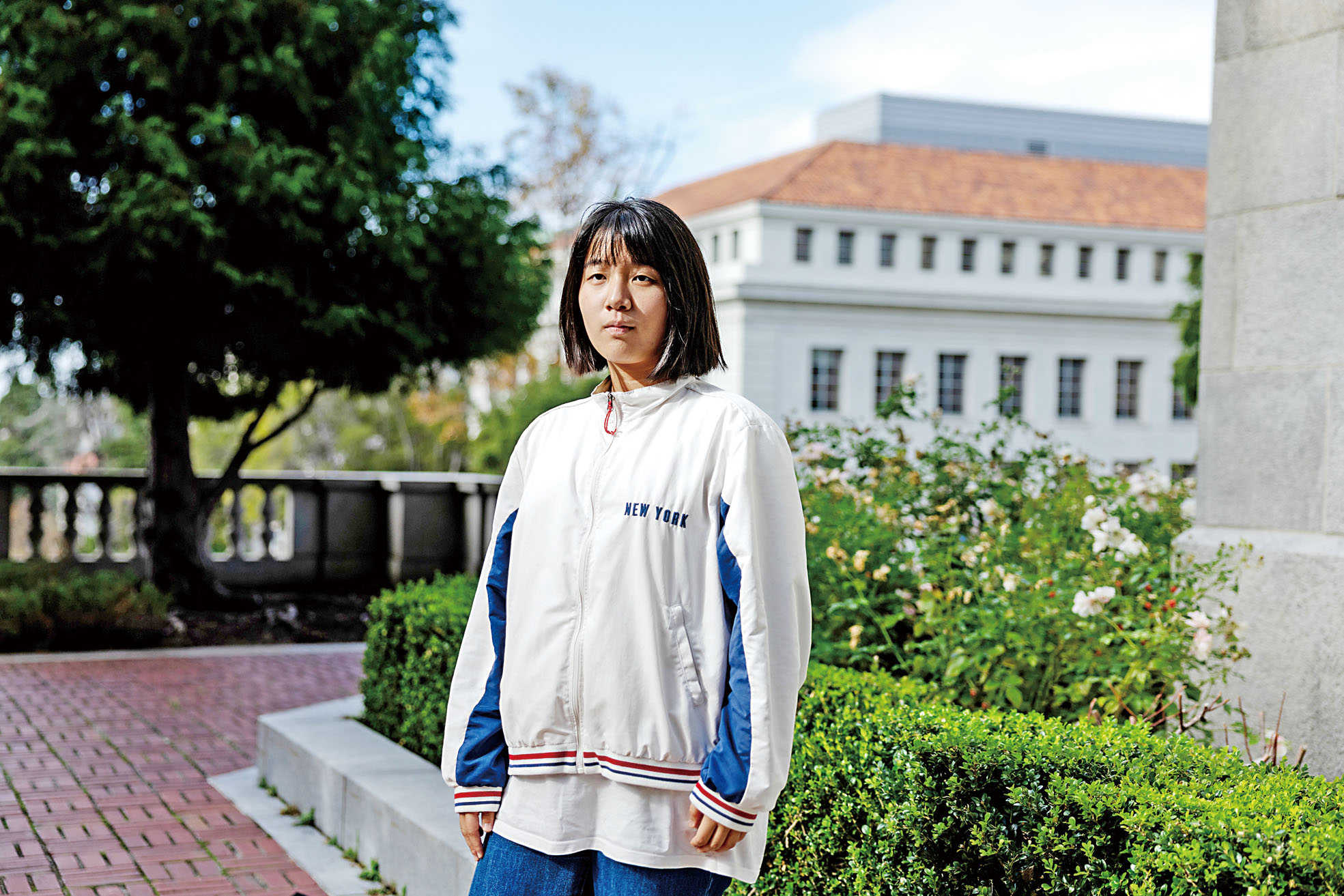
Sandra Ding, a fourth-year student from China majoring in psychology and cognitive science at UC Berkeley, said studying in the U.S. has already placed a heavy burden on her family, and if she had to bear at least $70,000 in work-eligibility fees, she simply could not afford it.
Other post-graduation work pathways for international students are also facing tightening.
In August, the government proposed an additional fee of $103,265 on employer-submitted H-1B specialty occupation visa petitions subject to the annual cap; in September, it also proposed eliminating the 60-day grace period that allows H-1B and some other visa holders to remain in the U.S. after losing their jobs.
Both measures are still proposals.
The U.S.
Chamber of Commerce and organizations representing tech companies such as Apple and Meta criticized the measures as restricting companies' ability to hire workers with specialized skills.
The Department of Homeland Security said the reforms are aimed at protecting American workers; groups supporting tighter immigration argue that local job opportunities should be prioritized.
The White House said the U.S. has enough talent to expand the local workforce, and the president will continue to pursue economic growth.
Miriam Feldblum, head of the Presidents' Alliance on Higher Education and Immigration, noted that the government's successive policies targeting international students have left schools overwhelmed.
The alliance has filed lawsuits over residency time limits and restrictions on practical training during study.
A federal judge on the 16th struck down rules limiting international students' residency periods, and on the 17th temporarily blocked the authorities from implementing a policy tightening eligibility for practical training during study.
But for universities that need to plan budgets and enrollment in advance, the unclear policy outlook remains a source of pressure, and schools fear international students will continue to drift away. ▍Staff Report ▍ Sandra Ding, a student from China at UC Berkeley, made clear that if she had to pay at least $70,000 to apply for a work permit, she would not be able to afford it.
Manuel Orbegozo / The New York Times
Comments (0)