PBOC Said to Launch Third SFISF Operation Tender on Tuesday

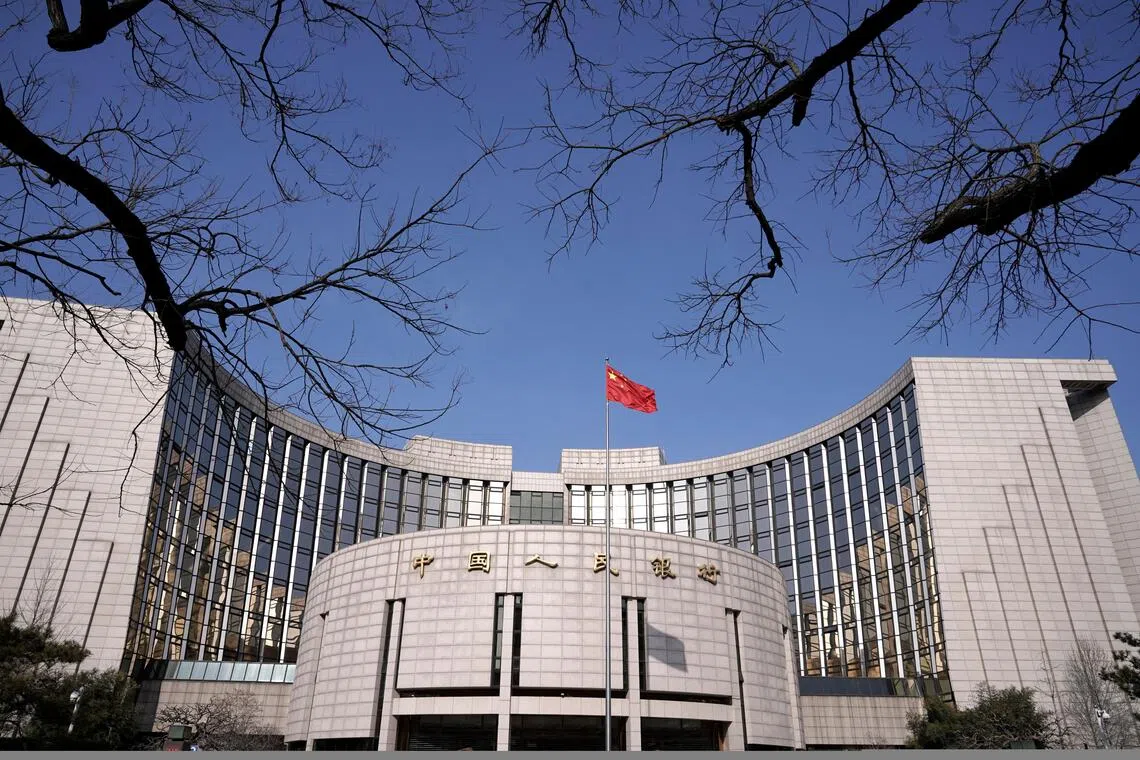
Chinese media report that the People's Bank of China will launch the third tender for its Securities, Funds and Insurance companies Swap Facility (SFISF) on Tuesday, November 3.
According to Cailianshe, the PBOC and the China Securities Regulatory Commission held a symposium with several brokerages and fund companies on Monday morning (November 2).
Citing attendees, the report said the PBOC will launch the third SFISF operation tender.
The PBOC conducted its first SFISF operation in October 2024, and the second operation's tender was completed in January last year.
The report also cited sources as saying that institutions showed strong interest in applying this time, with more than 30 institutions submitting applications.
Attendees said the swap facility is a useful exploration in supporting the capital market, and that this symposium has once again sounded the assembly call; brokerages, funds and other institutions will actively and proactively make good use of the swap facility tool and, after successful applications, direct incremental funds into the capital market as soon as possible.
Chinese media earlier cited industry sources as reporting that the PBOC and the CSRC convened a meeting with some securities companies and fund companies on Monday to study ways to promote the use of capital market support tools.
In addition, the PBOC, the National Financial Regulatory Administration and the CSRC were also to convene a meeting with banks the same day to study optimizing the policy on relending for stock buybacks and increased holdings.
The relending for stock buybacks and increased holdings is one of two monetary policy tools supporting the capital market.
On October 18, 2024, the PBOC, together with the NFRA and the CSRC, issued a notice on matters concerning the establishment of relending for stock buybacks and increased holdings, establishing the facility to incentivize and guide financial institutions to provide loans to eligible listed companies and major shareholders to support their buybacks and increased holdings of listed company shares.
Comments (0)